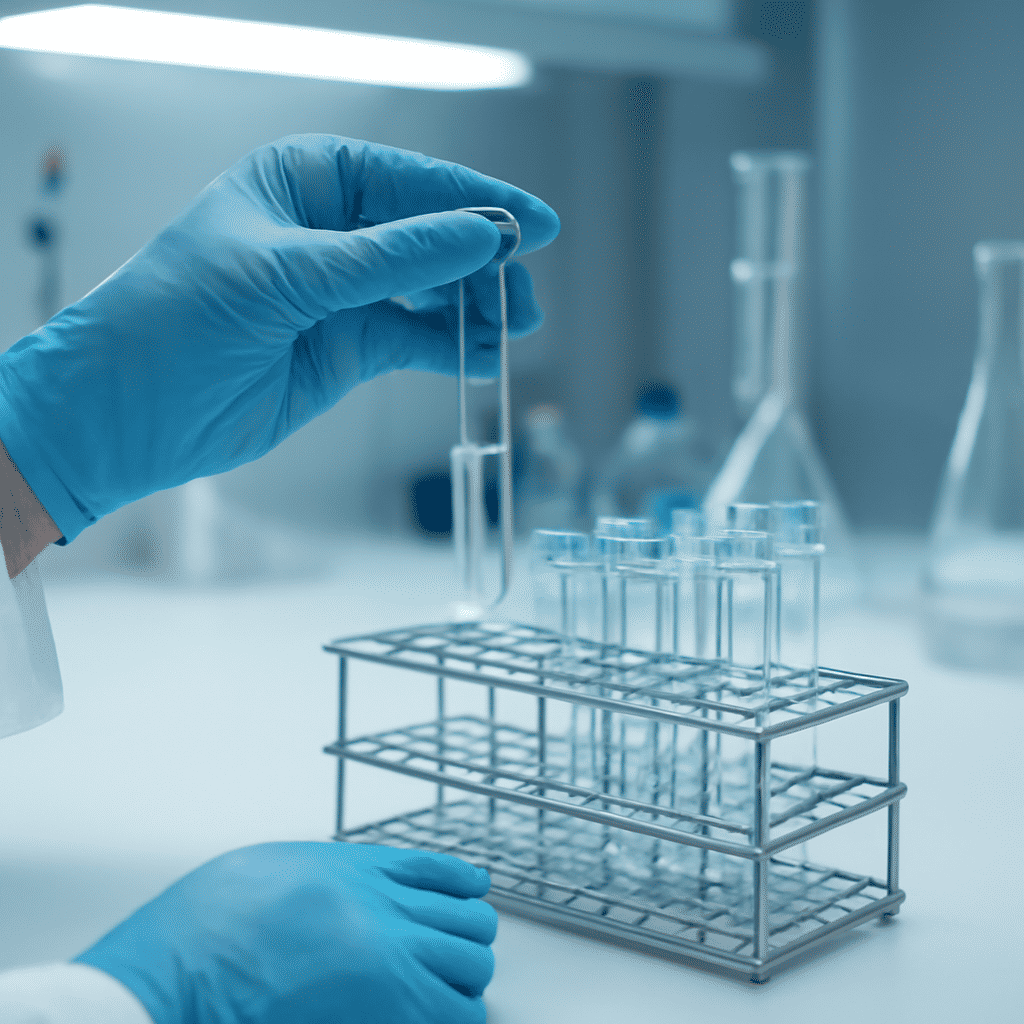
In the world of scientific research and biochemistry, peptides have emerged as crucial tools due to their vast therapeutic and diagnostic potential. As these versatile substances continue to revolutionize fields like medicine and biotechnology, ensuring their safe and efficient handling is paramount. This is where specialized accessories come into play, addressing the unique challenges peptides present in both laboratory and industrial settings.
Peptides, by nature, are sensitive to a variety of environmental factors such as temperature, light, and moisture. They can be notoriously unstable when mishandled, leading to degradation or contamination, which undermines research outcomes and has financial implications. Thus, equipping laboratories with the right handling accessories is essential to preserve their integrity.
One of the fundamental tools in peptide handling is the use of aliquoting devices. These devices facilitate the precise division of peptides into smaller, manageable quantities. This process not only minimizes waste but also reduces the risk of contamination that can occur with repeated handling. Advanced aliquoting systems come equipped with features like automated temperature controls to ensure that the peptides are kept within the ideal range from the moment they are processed.
In addition to aliquoting devices, storage solutions are indispensable. Using UV-resistant containers protects peptides from degradation caused by light exposure. Vacuum-sealed containers are also popular, as they guard against moisture infiltration, which could otherwise compromise peptide stability. Furthermore, incorporating desiccant packets in storage containers offers an additional layer of protection against humidity.
Handling peptides often involves transferring them between various vessels and equipment, for which precision tools are essential. Specialized pipettes, designed to provide accurate volume measurements without affecting peptide composition, are fundamental. The use of non-reactive materials such as ceramic or Teflon-coated implements further ensures that peptides remain uncontaminated during transfers.
Personal protective equipment (PPE) tailored for peptide handling is equally important in maintaining laboratory safety. Protective gloves designed to be free from chemical residue prevent inadvertent transfer of contaminants. Goggles and lab coats, although standard, are critical in offering researchers protection from accidental spills or exposure to hazardous solvents used in peptide formulation processes.
Training personnel on the correct use of these specialized accessories is another important pillar of efficient peptide handling. Regular workshops and training sessions help ensure that everyone within the laboratory is up-to-date with the latest handling techniques and safety protocols. Continuous education helps minimize human error, which is often the primary cause of peptide mishandling and laboratory accidents.
In addition to physical tools, leveraging modern technology and software solutions can greatly enhance peptide handling efficiency. Automated systems integrated with real-time monitoring software allow for tracking environmental conditions, inventory, and usage patterns. This not only facilitates quick retrieval and management of peptide stocks but also assists in compliance with regulatory standards and documentation audits.
Ultimately, the role of specialized accessories in handling peptides is about more than just enhancing efficiency and safety; it is about supporting cutting-edge science and accelerating discoveries. By employing the right tools and approaches, researchers can unlock the full potential of peptides, forging new frontiers in health and science. Investing in the proper infrastructure for peptide handling, therefore, is an investment in the future of innovation.