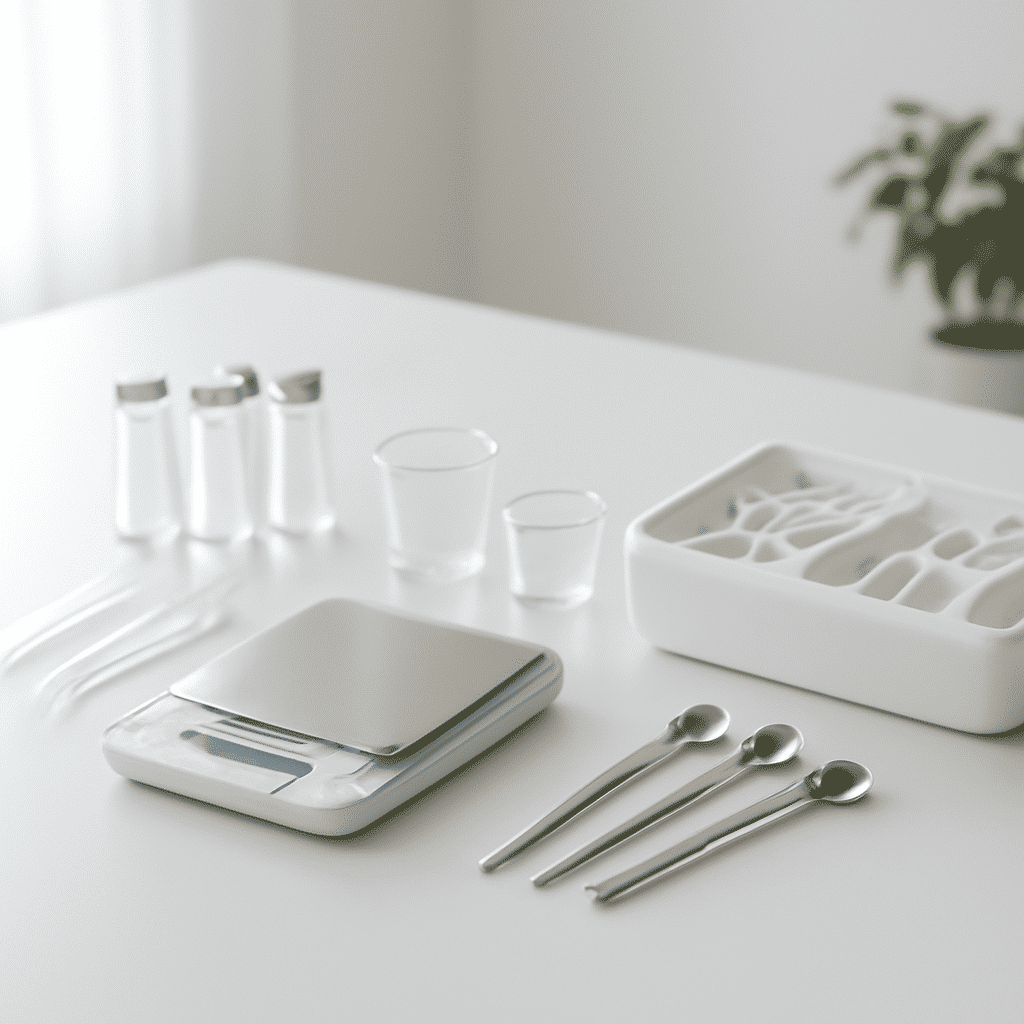
When it comes to working with peptides, whether for research or personal supplementation, selecting the right accessories is crucial to ensure optimal performance, safety, and convenience. From storage options to precise measurement tools, every accessory plays an essential role. Here's a step-by-step guide to help you choose the correct accessories for your peptides, combining both effectiveness and style.
1. Identify Your Peptide Type
Before delving into accessory selection, it’s essential to understand the specific type of peptide you’re working with. Peptides vary in terms of stability and storage requirements. For instance, some may need to be kept at a specific temperature to maintain their integrity, while others may have specific light sensitivity. Knowing your peptide type will guide your choices.
2. Storage Solutions
Refrigerators and Freezers: Peptides often need to be stored at low temperatures to maintain their potency. Depending on their stability, some can be stored in refrigerators, while others require a freezer. Invest in a dedicated thermometer to monitor the temperature consistently.
Vials and Containers: Choose airtight, light-protective vials or containers. Amber glass or specialized plastic that blocks UV light is ideal to preserve the potency of light-sensitive peptides. Ensure they are clearly labeled with the name and date of reconstitution.
3. Measurement and Mixing Tools
Micropipettes: Precision is vital when working with peptides. Micropipettes enable accurate measurement of small quantities, ensuring the correct concentration every time. Choose micropipettes that are easy to calibrate and come with replacement tips to prevent cross-contamination.
Mixing Accessories: Vortex mixers can efficiently facilitate the dissolution of peptides into solutions. They are especially useful when the peptide is particularly stubborn or when preparing large batches.
4. Injection and Application Accessories
Syringes and Needles: If your application involves injection, select syringes that match your dosage requirements. Consider using ultra-fine needles to ensure comfort and minimal damage to the injection site. Safety-engineered syringes are recommended to prevent needlestick injuries.
Transdermal Applicators: For topical peptide applications, opt for rollers or massagers that ensure even distribution across the skin.
5. Safety Gear
Safety should never be compromised. Equip yourself with nitrile gloves to prevent skin contact and appropriate eyewear to protect against accidental splashes. Always have a spill kit ready when handling liquids or reconstituting peptides.
6. Disposal Solutions
Proper disposal of syringes, needles, and other consumables is essential to ensure safety and environmental responsibility. Sharps containers should be a fixture in your setup, along with guidelines for proper waste disposal in your area.
7. Aesthetic Touches
While function should take precedence, there’s no harm in adding an element of style to your peptide accessories. Look for storage containers in sleek designs or measurement tools in your preferred color. Personalized labels and aesthetically pleasing organization systems can add a touch of class to your peptide workspace, making it inviting and pleasant to work in.
8. Regular Maintenance and Checks
Finally, ensure that your chosen accessories remain in optimal working condition. Regularly check and calibrate measurement tools, inspect storage containers for wear and tear, and ensure that freezers and refrigerators are functioning efficiently.
Conclusion
Choosing the right accessories for peptides involves a mix of practicality, precision, and personalization. By taking the time to understand your specific needs and investing in high-quality tools, you enhance your peptide handling processes, ensuring maximum efficiency and style in use. With the right accessories, you can elevate your peptide experience, making it both effective and enjoyable.