In the world of scientific research and laboratory work, precision and accuracy are paramount. The integrity of experimental results and the reliability of research findings depend heavily on the exactness with which substances are measured and administered. This is where high-quality measurement equipment becomes indispensable, serving as the backbone of any laboratory's operations.
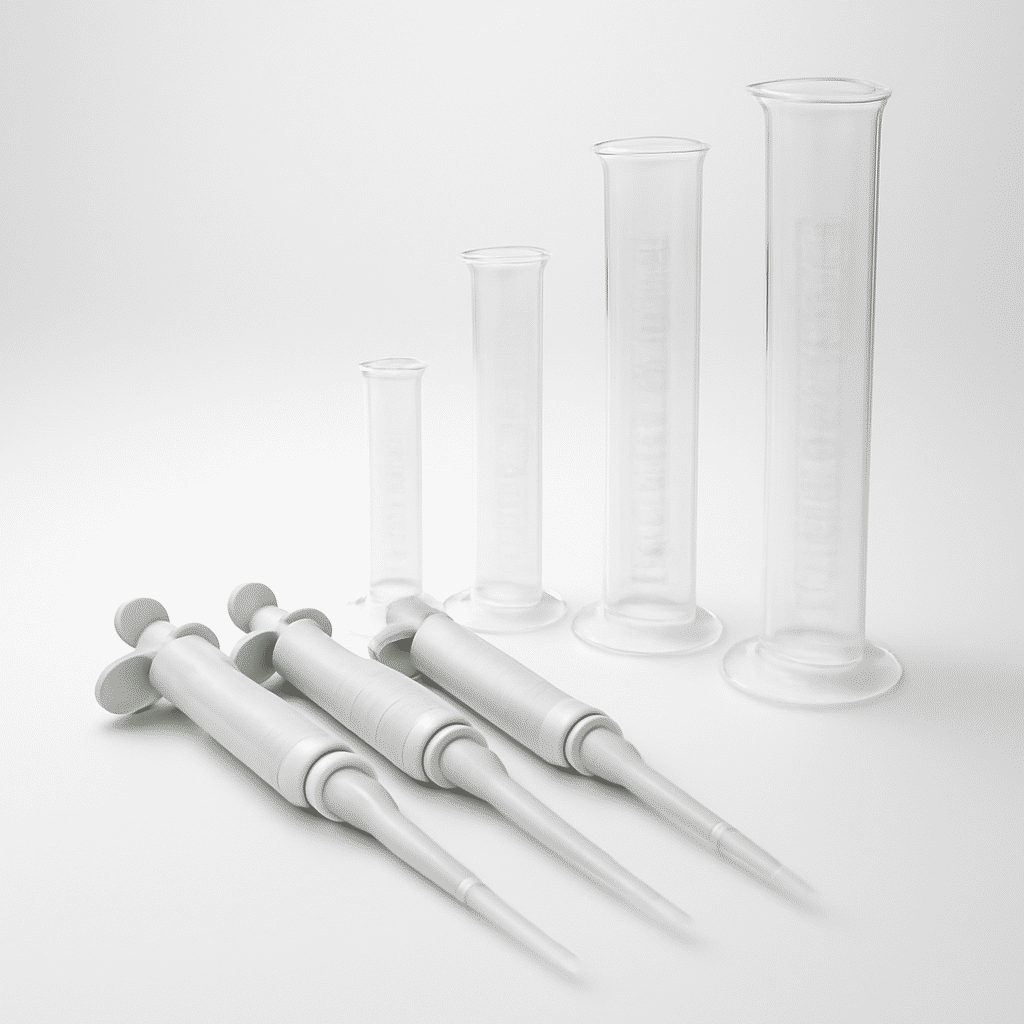
Measurement equipment is used across a wide range of fields, from chemistry and biology to pharmaceuticals and environmental science. These tools, which include pipettes, burettes, volumetric flasks, and graduated cylinders, are designed to deliver exact amounts of liquids or solids, ensuring that experiments can be replicated and results validated.
One of the primary advantages of utilizing top-tier measurement equipment is its contribution to dosing accuracy. Accurate dosing can make the difference between the success and failure of an experiment. Whether it's adding a precise volume of reagent to trigger a chemical reaction or administering the correct dosage of a pharmaceutical compound, exact measurement is crucial in obtaining valid and reliable outcomes.
Furthermore, quality measurement equipment enhances the efficiency of laboratory work. With tools that are designed to minimize measurement errors, scientists and technicians can perform their tasks more swiftly, without the need for repeated measurements or corrections. This saves valuable time and resources, allowing for more focus on analysis and interpretation of data.
Moreover, high-quality measurement tools are often built to withstand the rigorous demands of daily laboratory use. Durable materials and precise calibrations ensure that these instruments have a long lifespan, providing consistent performance over time. This durability not only represents a wise investment but also reduces the frequency of equipment replacement and maintenance.
Additionally, investing in superior measurement equipment can enhance safety in the laboratory. Accurate measurements prevent the mishandling of potentially harmful substances, reducing the risk of exposure to toxic materials and ensuring the safety of lab personnel.
To maintain the integrity of laboratory operations, regular calibration and maintenance of measurement equipment are essential. Calibration ensures that tools continue to provide precise measurements even as they age. Many laboratories implement strict protocols for equipment maintenance to ensure ongoing accuracy and reliability.
In conclusion, high-quality measurement equipment is fundamental to achieving dosing accuracy in laboratory settings. With its unparalleled precision, efficiency enhancements, durability, and safety assurances, it is a critical component in any lab's toolkit. By investing in the best measurement tools, laboratories set the foundation for scientific excellence, paving the way for discoveries and innovations that can change the world.